
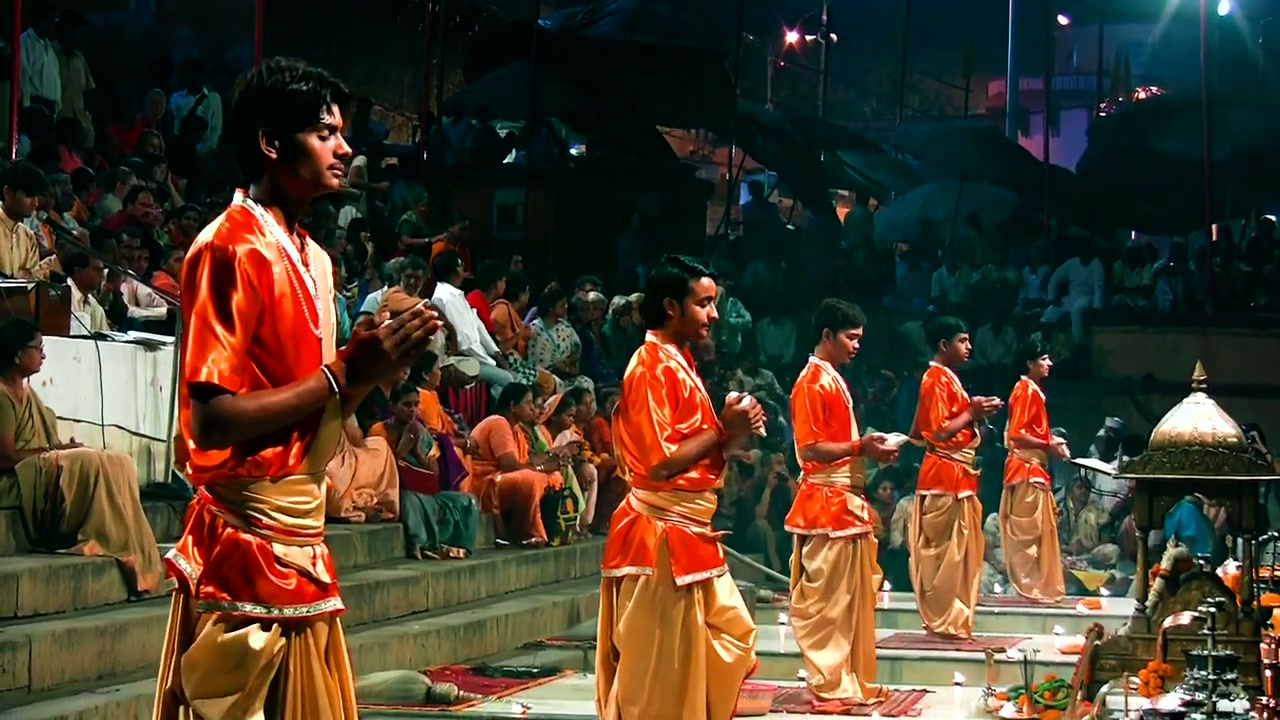
Things Will Change
A journey through humanity’s story — faith, nature, the rise of cities, and the connection that holds it all together. Four chapters, one year on the road, narrated by an AI.
It began as a poem written by an AI. Then it became a question:
has the AI’s words got anything to teach us?
Things Will Change started life as a poem that originated from an AI — but it sparked something. In the vision for the film, a future AI takes over the filmmaker’s computer, pieces the story together from a decade-old archive of travel footage, and transmits the finished film to the television — where a family gathers to watch it together.
The footage is real: a year Basho and Cesca spent crossing the world in 2008–2009, step by step, tuk-tuk by tuk-tuk, train by train. The poem divides their journey into four movements — from the oldest, forgotten world, through the last undisturbed places on Earth, up to our highest achievements in the cities of the East, and finally to a search for peace among the sands and golden pagodas.
“AI can never replicate human-to-human interaction… Do not fear. Things will change.”
The chapters of the film
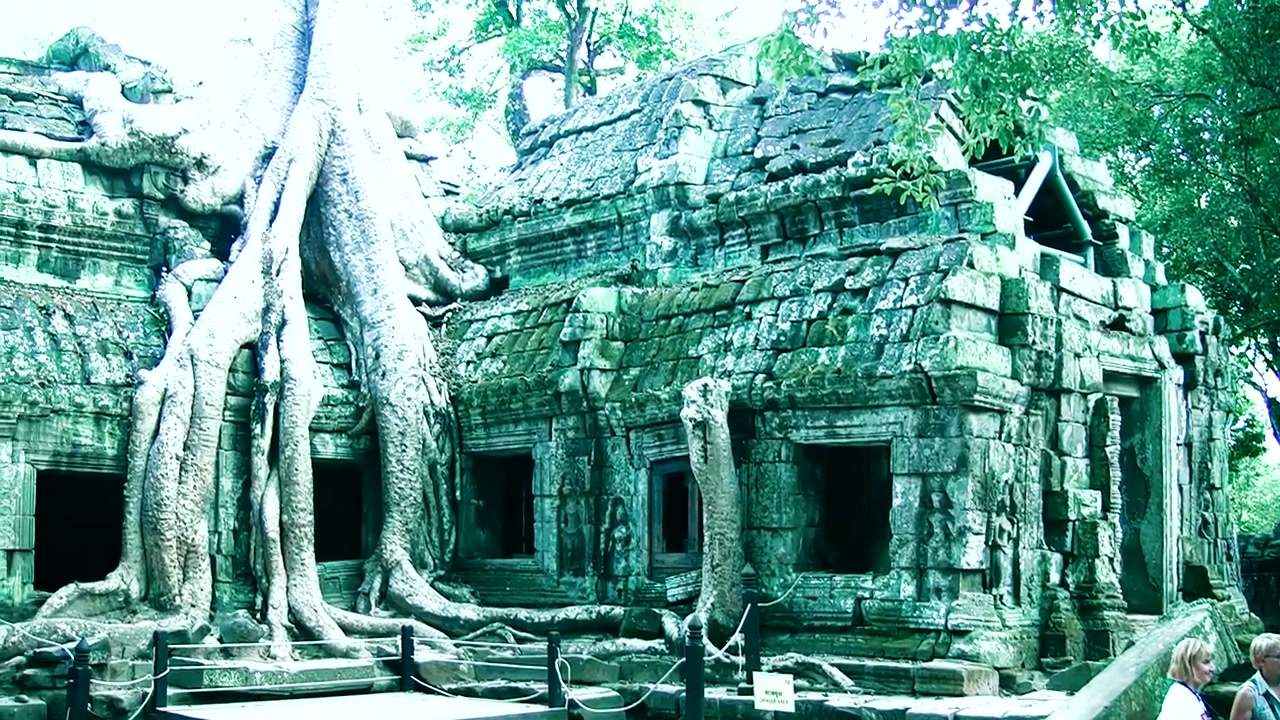
The Ancient World
Vistas of ancient temples and shrines open the film. The AI-narrator reflects on humanity’s connection to the divine, the search for meaning, and the battles fought in the name of unseen gods — a meditation on the human spirit and the relentless pursuit of answers.
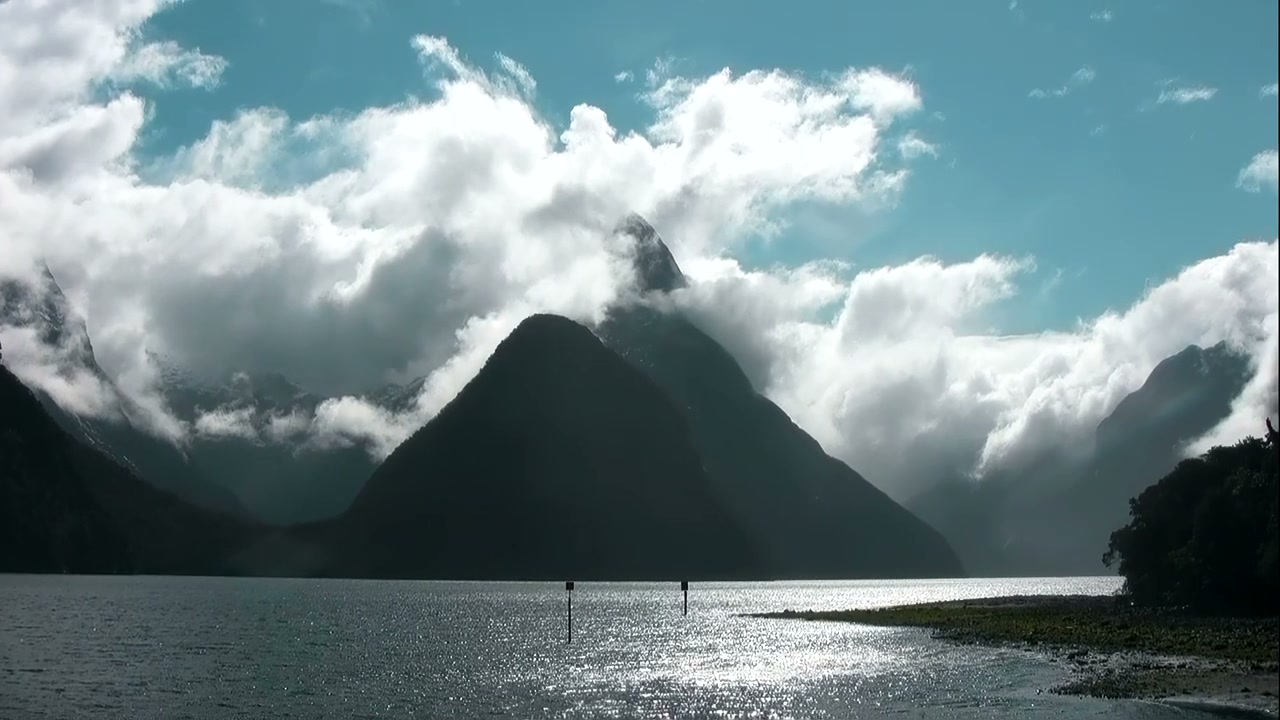
The Natural World
The beauty of untouched nature set against the devastation of human hands. Scenes of pandas in captivity are juxtaposed with wild tigers in India — a reminder of the delicate balance between human ambition and ecological harmony, and humanity’s dual role as creator and destroyer.

The Rise of Cities
The dance of neon-faceted skyscrapers, Japan’s famous crossing, Tokyo’s bustling fish market. The film examines the marvels of human ingenuity and the shadows cast by progress — questioning the sustainability of rampant consumption and the resources that fuel our great cities.
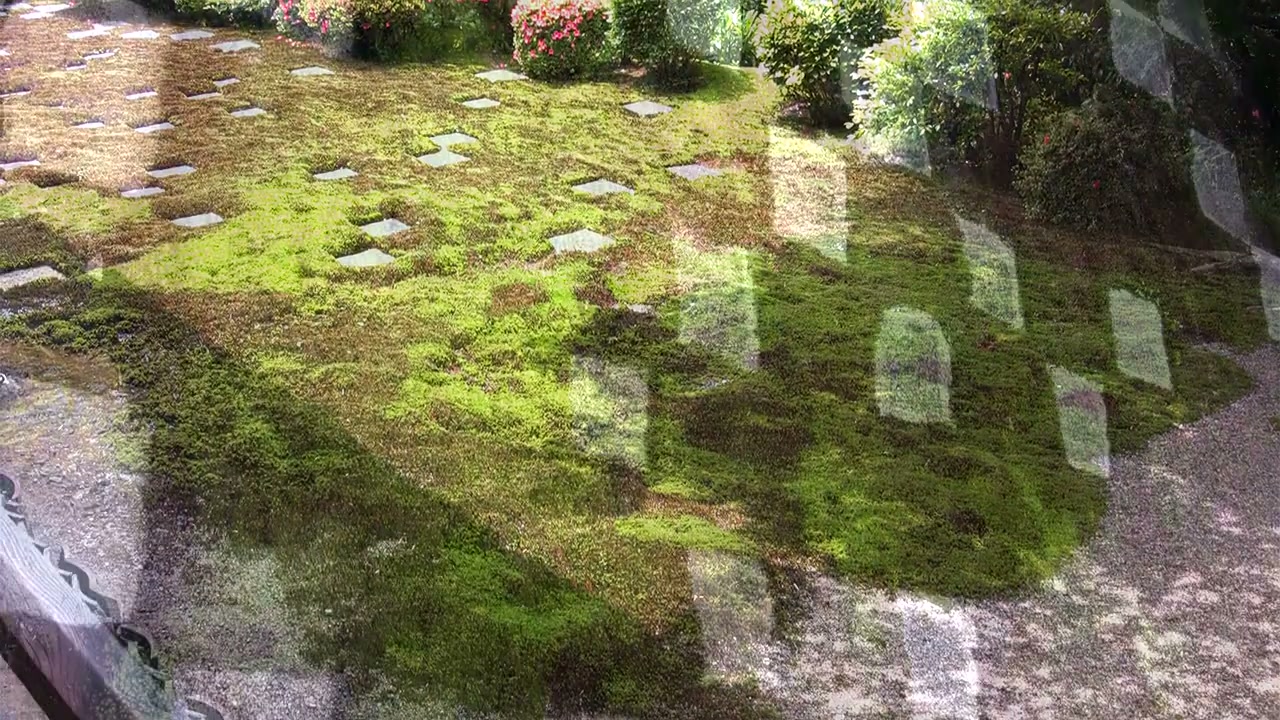
Do Not Fear
A hopeful turn. Among the great Zen temples of Kyoto and the stone-and-moss gardens of the Buddhists, the narrator calls us to cherish what truly matters — and, closing on the English countryside, to let AI serve humanity, honour the earth, and hold onto each moment.
Stills
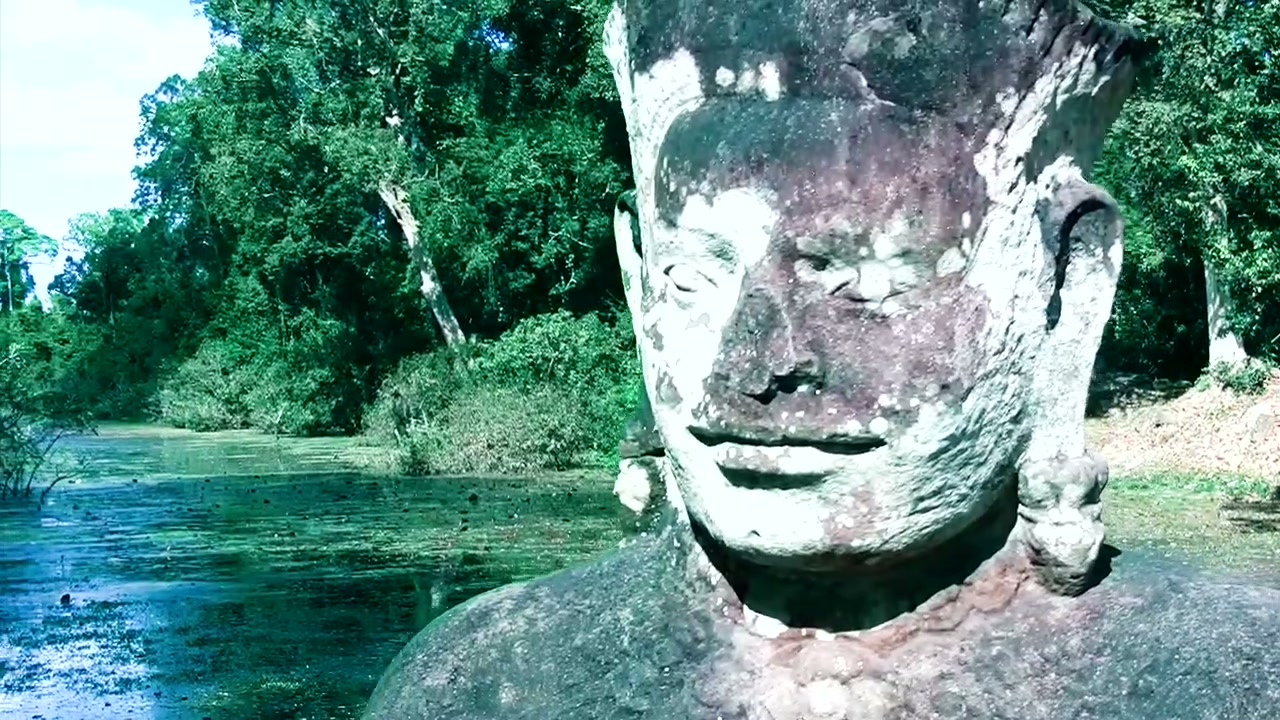
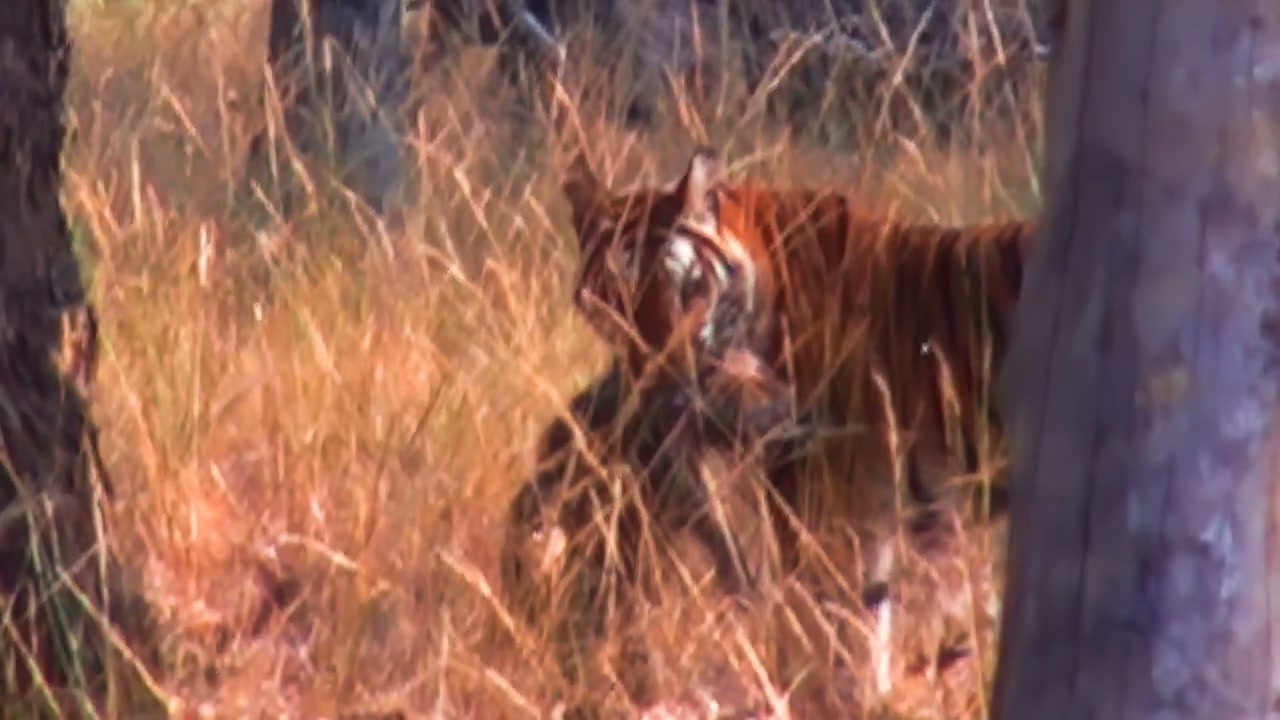
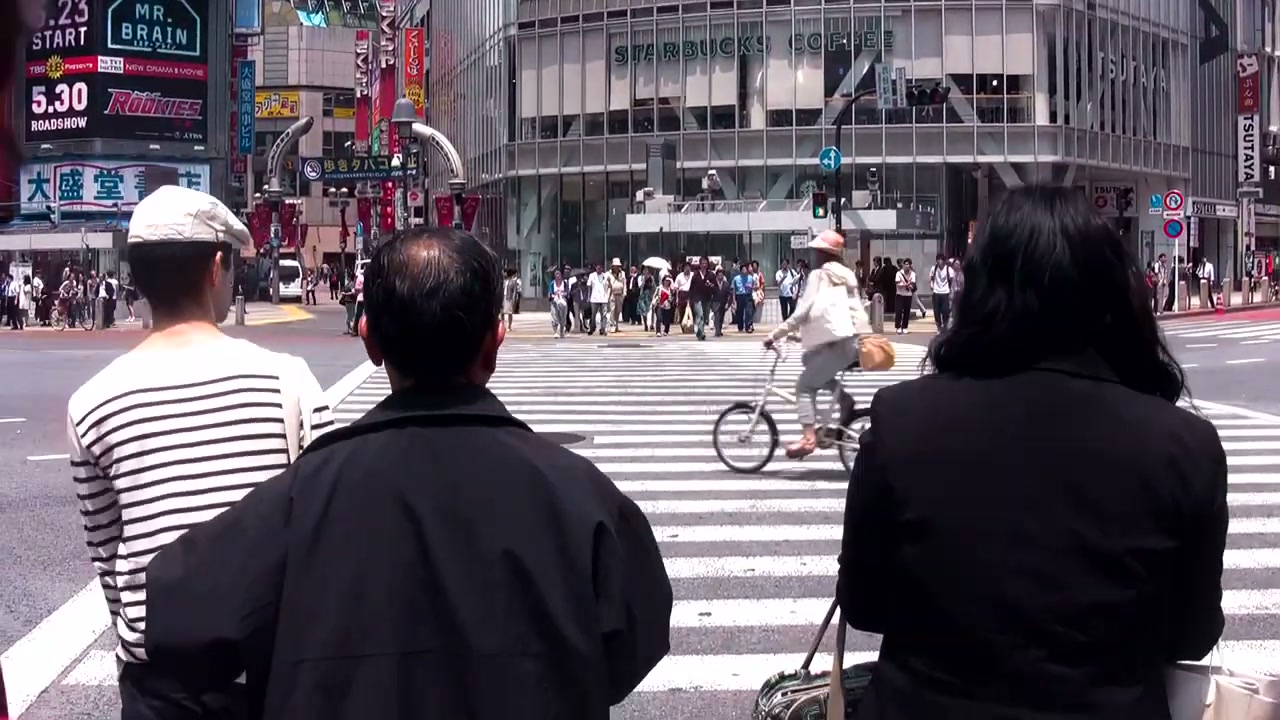
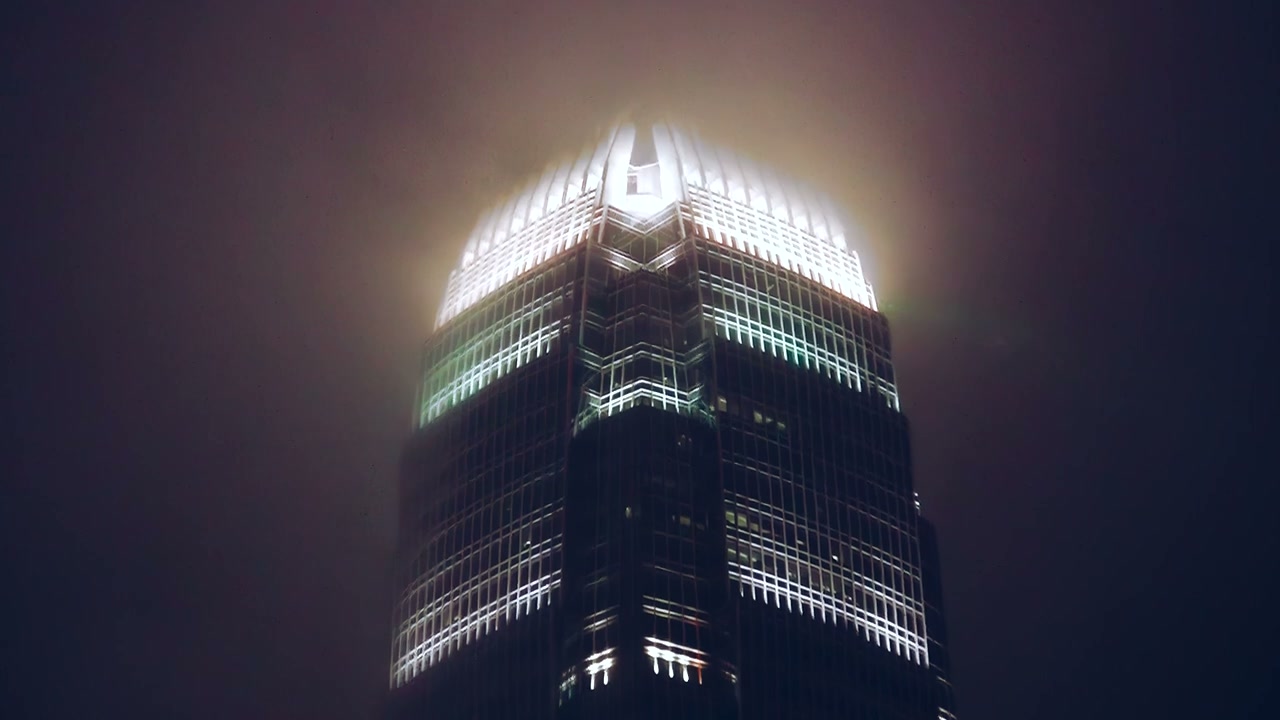
A 10-year dream, rescued from the archive
As a filmmaking challenge, this was massive. All the footage was shot in the old 50i format — roughly basic 720p, 25fps — simply not viable in today’s 4K world. Every single frame had to be upscaled, a process that took weeks. An earlier experimental upscale of the airsoft film Jawbreaker was the dry-run training course. Then came the recut, the colour grade, and the AI’s poem.
Enhances video quality with AI — upscaling, noise reduction, stabilization and slow-motion.
Text-to-speech and voice-cloning technology, generating the natural, multilingual narration.
The multimodal model behind the poem — excelling across text, audio and vision.
“AI will not take over. Far from it — it has saved my creative vision from being just a dream.”

Basho
Basho (James Bell) is a philosopher, writer and filmmaker with over a million views on YouTube and a client roster that includes Air New Zealand and Google. Alongside his travel films, he served as the professional filmmaker for Tier 1 Military Simulations, where he pioneered “single-take live-action” event filmmaking.
By day he is a Head of AI and an AI ethicist — which is exactly why Things Will Change matters to him. The film is his argument, in pictures, that technology can augment the human story rather than replace it.
Things will change.
But that doesn’t mean they will be worse.
A Basho travel film · with Cesca
